Choosing the right prescription lenses is essential for clear vision, comfort, and long-term eye health. With so many options available—single vision, progressive, blue light filtering, and more—it can be overwhelming to decide what works best for your needs.
The truth is, the best prescription lenses depend on your lifestyle. Whether you spend long hours on digital screens, drive frequently, or need lenses for reading and daily tasks, selecting the right combination of lens type and coatings can make a significant difference in your vision quality.
Understanding Your Daily Vision Needs
Before choosing prescription lenses, it’s important to evaluate how you use your eyes throughout the day.
Ask yourself:
- Do you work on a computer for long hours?
- Do you drive frequently, especially at night?
- Do you need clear vision for both near and far distances?
- Do your eyes often feel tired or strained?
Your answers will help determine the most suitable lens type and features.
Types of Prescription Lenses Explained
🔹 Single Vision Lenses
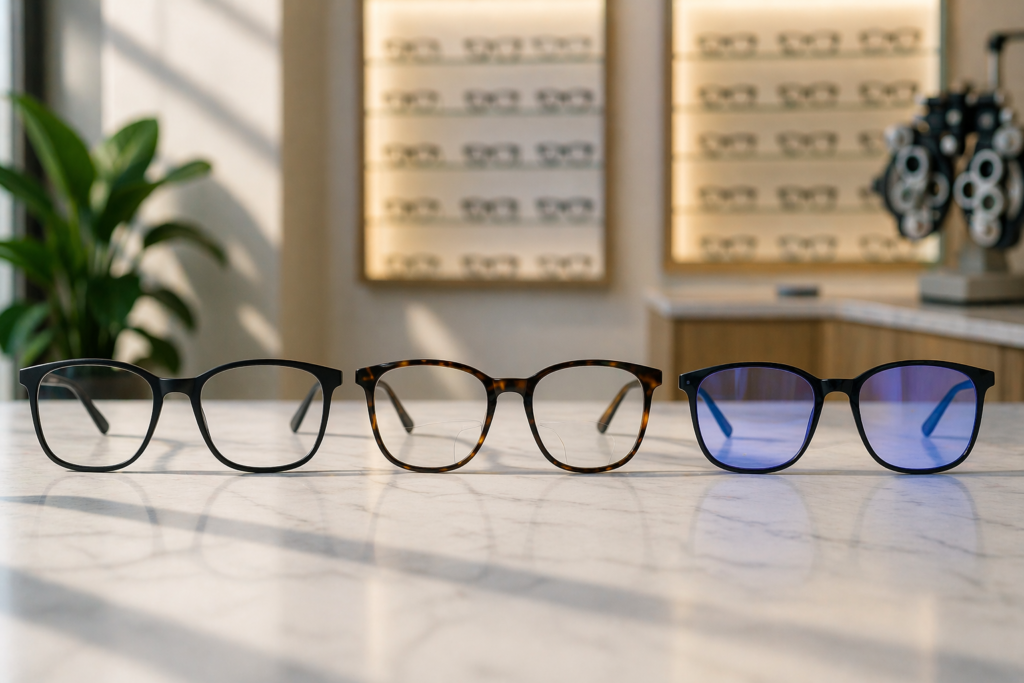
Single vision lenses are designed to correct one field of vision—either distance or near. They are ideal for everyday use, reading, or driving.
🔹 Progressive Lenses
Progressive lenses provide a seamless transition between near, intermediate, and distance vision without visible lines. They are perfect for people who need multiple vision corrections.
🔹 Blue Light Lenses
If you spend hours on screens, blue light lenses can help reduce eye strain and improve comfort during prolonged digital use.
📞 Looking for expert advice on choosing the right prescription lenses? Call now for personalized recommendations.
Lens Coatings That Improve Performance
Choosing the right lens type is only part of the process. Lens coatings can significantly enhance your experience.
- Anti-glare coating: Reduces reflections and improves clarity
- Scratch-resistant coating: Increases durability
- UV protection: Shields your eyes from harmful sun exposure
- Blue light filter: Reduces digital eye strain
These features can make your lenses more comfortable and long-lasting.
Matching Lenses to Your Lifestyle
For Office & Screen Use
Blue light lenses with anti-glare coating help reduce eye fatigue and improve focus.
For Driving
Anti-reflective coatings improve visibility, especially at night.
For Reading & Daily Tasks
Single vision or progressive lenses ensure clear and comfortable near vision.
For Active Lifestyles
Durable, lightweight lenses with scratch-resistant coatings are ideal for active individuals.
Why Professional Guidance Matters
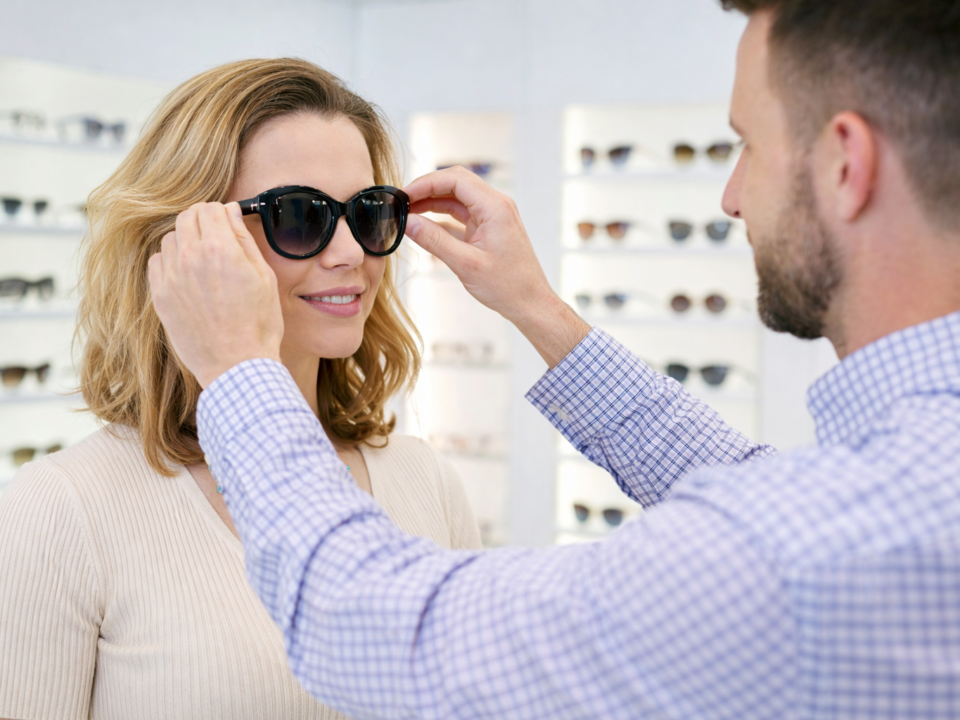
Choosing prescription lenses is not just about picking a product—it’s about optimizing your vision.
An eyewear specialist can:
- Analyze your prescription
- Recommend the best lens type
- Suggest coatings based on your habits
- Ensure proper fit and alignment
👉 Explore our prescription lenses services to find the best solution for your vision needs.
👉 If you’re local, check our prescription lenses in Aurora and prescription lenses in Newmarket services for personalized support.
Common Mistakes to Avoid
- Choosing lenses based on price only
- Ignoring coatings and add-ons
- Not considering lifestyle needs
- Using outdated prescriptions
Avoiding these mistakes can save you time, money, and discomfort.
The right prescription lenses can transform your daily life—making everything from reading to driving more comfortable and clear. By understanding your lifestyle and choosing the right combination of lens type and coatings, you can enjoy better vision and long-term eye health.
📞 Call now to get expert help choosing the right prescription lenses
❓ FAQs
How do I know which prescription lenses are best for me?
The best lenses depend on your lifestyle, daily activities, and vision needs. An eye care professional can help you choose the right option.
Are progressive lenses better than single vision lenses?
Not necessarily. Progressive lenses are ideal if you need multiple vision corrections, while single vision lenses are better for one specific use.
Do blue light lenses really help?
Yes, especially for people who spend long hours on digital screens. They help reduce eye strain and improve comfort.
How often should I update my prescription lenses?
It’s recommended to update your prescription every 1–2 years or as advised by your eye doctor.
Can I add coatings later to my lenses?
Most coatings need to be applied during manufacturing, so it’s best to choose them when ordering your lenses.